



The next wave of CMOs won’t be defined by creativity or tenure. Their ability to bring out the best of their technology and teams will define their time at the helm. The leaders rising now know how to turn fragmented data into strategy, AI into executional speed and marketing investment into measurable business value. They can step into a boardroom and explain growth in the same language as finance, and keep a team of analytical minds, strategists and creatives motivated and aligned.
To reach that level, senior marketers are expanding their range. They’re learning to quantify brand impact, model budget trade-offs, build cross-functional alignment and prove ROI before they’re asked. The difference between a strong marketing leader and a future CMO isn’t just having vision. It’s having fluency in the systems that move your company forward.
Why CMO skills matter more than ever
The CMO’s scope has never been broader. You’re expected to turn automation into advantage, manage budgets with precision and guide teams through continuous change.
Channels keep multiplying, privacy rules keep tightening and boards expect proof of value faster than ever. Marketing has also evolved from persuasion to performance. It now rewards leaders who can measure, predict and prove impact across every channel.
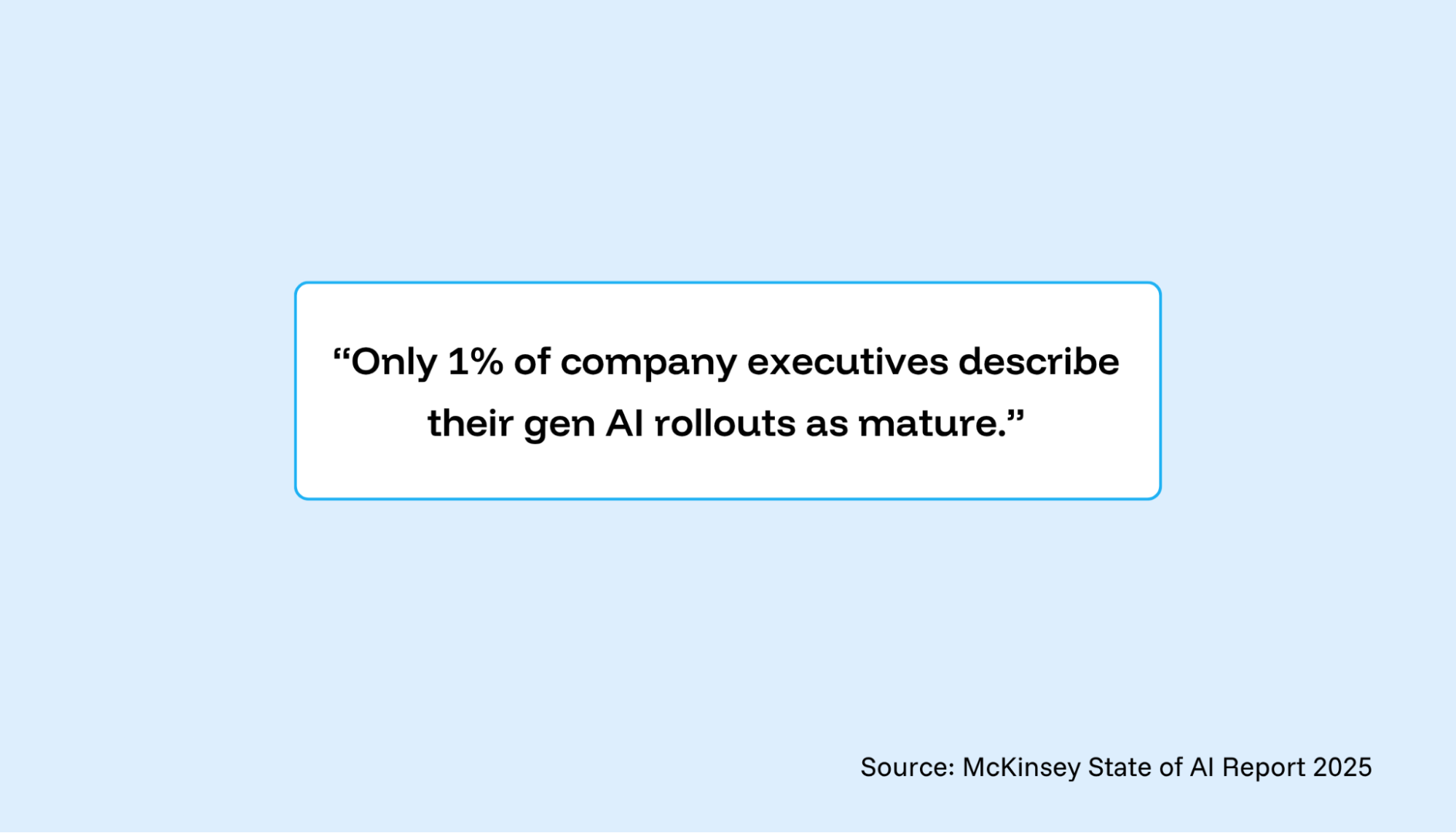
Add in a wave of technological disruption from automation and AI agents, and the challenge compounds. McKinsey’s State of AI 2025 report shows that AI adoption is nearly universal, but maturity isn’t. Most organizations still struggle to translate AI outputs into business results.
The CMOs who will thrive in this environment are those who can align marketing intelligence, automated workflows and creative work into a system that scales. To make this happen, you need a defined playbook.
The most important CMO skills for marketing success
These 10 skills define what it takes to operate at the board level and earn lasting influence.
1. Data and analytics mastery
Modern CMOs build systems that make data reliable enough to drive decisions that lead to sustainable growth. That means understanding what teams need to build a robust, scalable data infrastructure. It also involves supporting your team with tools and resources so they can can ensure data quality and accuracy, marketing can link spend to revenue and the business can see cause and effect.
How to build this skill:
- Establish clear ownership across analytics, finance and marketing operations.
- Prioritize naming, tracking and definitions before adding new tools.
- Reconcile core datasets, align reporting standards and use forecasting models to test scenarios before committing budget.
The CMO’s role is to design the system and interpret its output. They must be analytical and data-savvy enough to read dashboards, spot patterns and ask the questions that turn information into strategy. The leader who ensures that every dollar can be traced to growth turns analytics from reporting into leverage.
2. AI and automation adoption
AI now powers marketing precision and pace by turning data into decision infrastructure. Precision comes from AI’s ability to analyze billions of signals faster than any analyst, while pace comes from automating those insights into daily execution.
AI can increase efficiency at scale, helping transform marketing from a cost sink into a driver of growth. According to research from PwC and the Association of National Advertisers (ANA), leading marketers who are using AI to increase efficiency deliver 79% greater shareholder value than their peers.
The modern CMO’s challenge is not using AI tools but architecting the ecosystem that keeps those tools accurate, governed and tied to business growth. The CMOs moving fastest treat it as infrastructure that amplifies human intelligence, not a replacement for it.
How to build this skill:
- Automate execution: Use AI to handle repetitive analysis and campaign optimization so teams focus on judgment.
- Focus on intent: The same PwC study mentioned above found that when marketing uses AI to make work more creative and relevant to growth rather than just increasing efficiency, companies can unlock more than double the increase to marketing-driven profitability from AI.
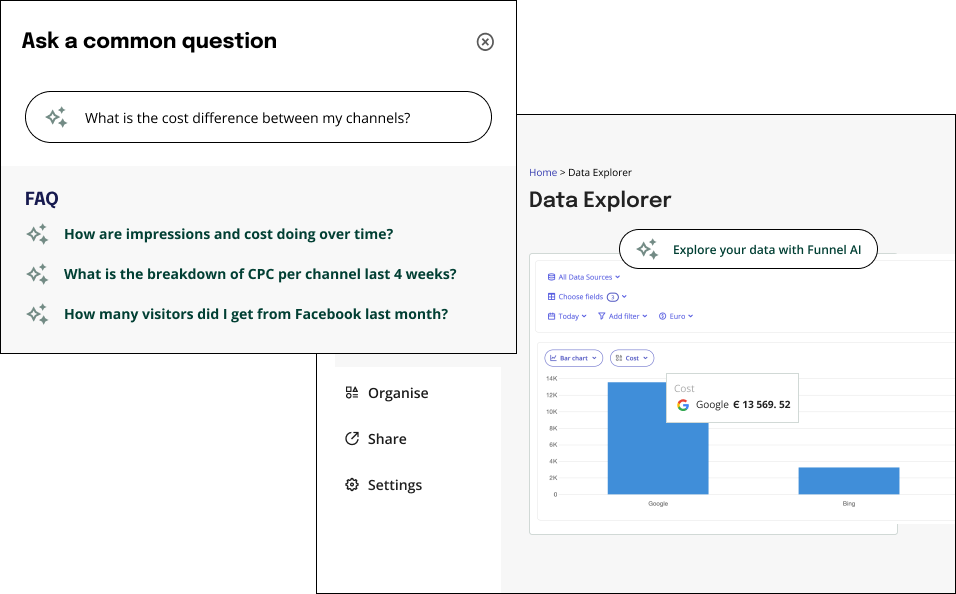
- Accelerate insight: Funnel AI turns clean data into instant exploration, helping leaders test hypotheses in seconds. And with Funnel’s Data Guarantee, you can count on a trustworthy record for audits, forecasting and long-term analysis.
- Strengthen accuracy: Feed models only verified and structured data to keep insights reliable.
- Measure impact: Track how automation reduces manual work, improves forecast accuracy and increases decision speed.
- Ensure governance: Set clear rules for data privacy and accountability before scaling.
AI adoption is now a leadership skill. It shows you can build systems that think with you, not for you.
3. Budget justification
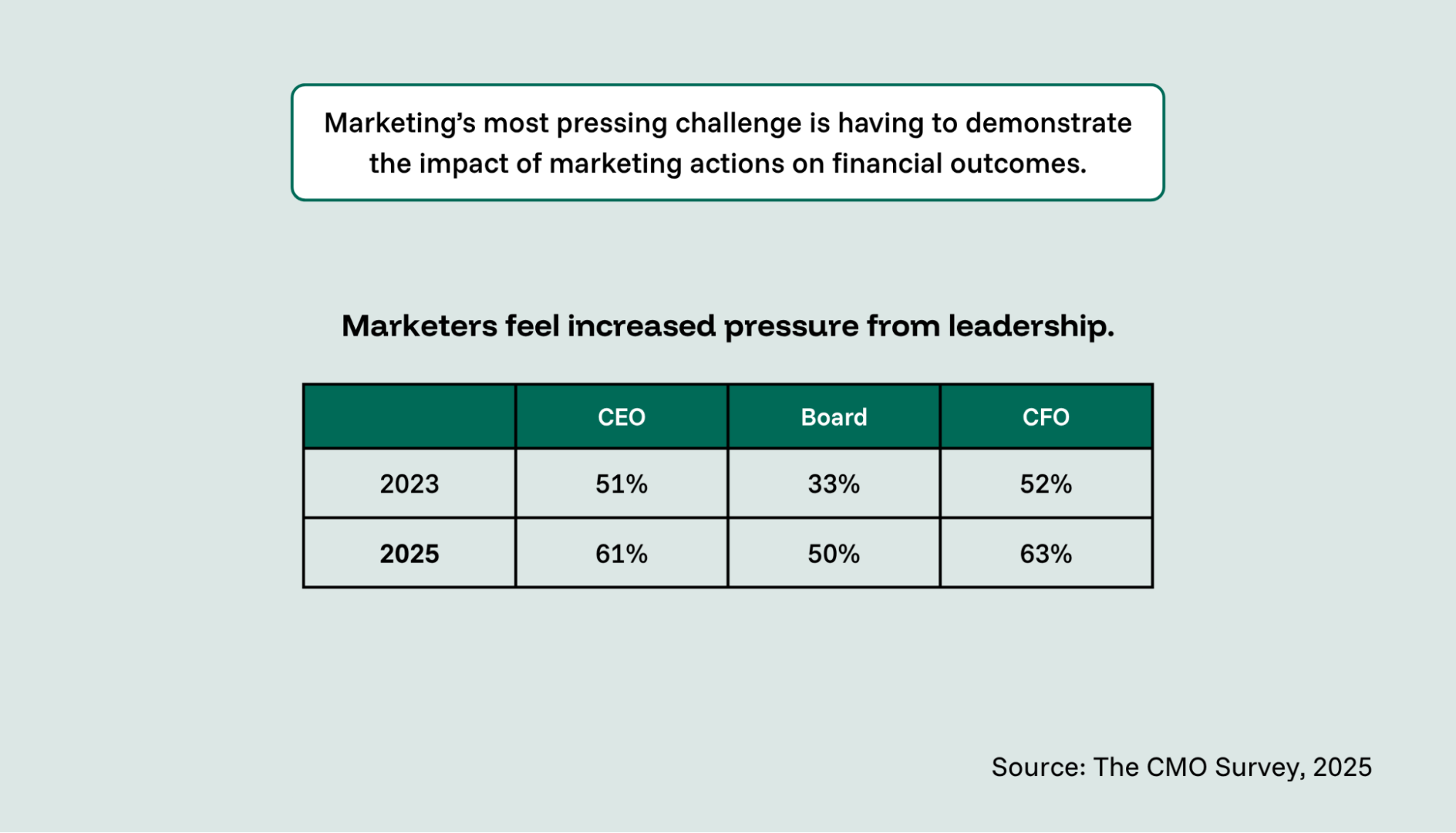
According to The CMO Survey, 63% of marketers face growing pressure from CFOs to prove marketing’s financial impact. Budget justification is the skill that closes that gap. It’s about linking spend to business outcomes with the same rigor finance applies to investments.
Strong CMOs align on definitions of revenue, payback and margin before presenting spend. They model how different investment levels change growth rates and show how marketing supports profit resilience, not just top-line gains.
How to build this skill:
- Co-author performance frameworks with finance.
- Model different investment scenarios and forecast how changes in spend affect growth.
- Reconcile forecasts with actuals to refine trust and predictability.
Budget justification builds financial credibility. The CMO who speaks in the same terms as finance turns marketing from an expense line into a profit driver.
4. CX leadership
High-performing CMOs lead customer experience as a system, not a silo. CX leadership means designing every interaction around measurable business outcomes. It starts with listening, testing and adapting experiences to reduce friction and strengthen loyalty.
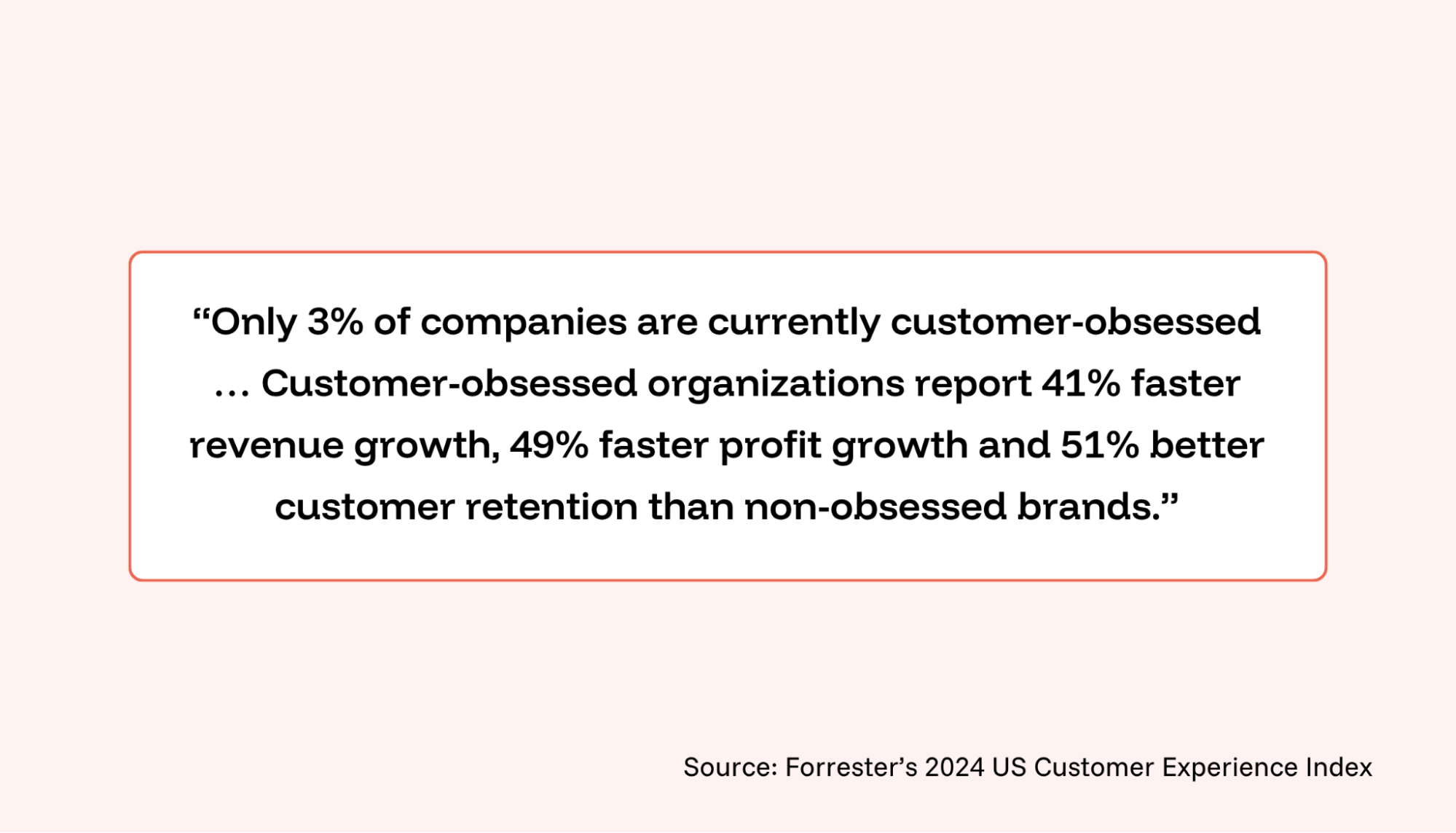
Forrester’s 2024 US Customer Experience Index found that only 3% of companies are truly customer-obsessed. Those brands achieved 41% faster revenue growth, 49% faster profit growth and 51% better retention than their peers.
How to build this skill:
- Audit the customer journey to find where expectations break down.
- Set shared CX metrics across teams so accountability extends beyond marketing.
- Unite teams around shared metrics on a central dashboard so everyone works from a single, reliable view of performance.
CX leadership turns empathy into a measurable advantage. The CMO who owns the experience owns the customer.
5. Team leadership
The best CMOs measure success by how capable their teams become. Team leadership means building an environment where people can decide, adapt and learn faster than the market changes. It is not about control but clarity. The goal is to set direction, remove blockers and develop leaders who can scale your intent.
Google’s long-term ‘Project Oxygen’ study, which they launched in 2008, found that teams with strong managers are up to 44% more productive and have lower turnover than those with weak leadership. The difference comes from coaching, empowerment and trust.
How to build this skill:
- Hire for range by balancing analytical, creative and operational strengths.
- Turn development into practice by assigning stretch roles tied to measurable outcomes.
- Create space for ownership by setting objectives, not instructions.
Behind every successful marketing campaign is a marketing department that balances creativity with data discipline. Strong leadership keeps a dynamic team on course so they can deliver on performance, growth and innovation.
6. Cross-functional collaboration
Modern growth depends on how tightly marketing connects with the rest of the business. Cross-functional collaboration is about aligning finance, sales and product around decisions that move the same numbers, not competing ones.
Think with Google found that only 43% of marketing leaders feel there is a shared understanding of marketing strategy compared to 61% of finance leaders. The alignment gap explains why budget debates persist and growth strategies stall.

When CMOs bridge that gap, they create shared confidence in marketing’s impact and a unified view of value creation.
How to build this skill:
- Align planning cycles so marketing, finance and product build forecasts together.
- Integrate financial and performance data into one view of ROI to create shared confidence across functions.
- Hold quarterly joint reviews to refine assumptions and update shared models.
Cross-functional collaboration is how CMOs earn influence across the business. The leaders who align teams on financial truth make marketing indispensable to growth.
7. Agility in uncertain markets
Volatility is constant. Privacy laws evolve, platforms shift and customer behavior can change in a week. The strongest CMOs treat uncertainty as an operating context, not a disruption. Agility means designing systems that sense change early and adjust before it becomes expensive.
To achieve marketing success, every CMO must ensure their marketing team stays abreast of emerging technologies and market trends, turning actionable insights into effective marketing strategies that align campaign performance with core business objectives.
How to build this skill:
- Plan scenarios in advance so pivots are deliberate, not reactive.
- Review performance weekly and adapt based on leading indicators, not lagging results.
- Rely on systems that refresh data daily so decisions stay current and grounded in reality.
- Give teams authority to adjust budgets within set guardrails so speed never sacrifices governance.
Agility is disciplined adaptability. CMOs who systemize learning, feedback and response stay ahead when conditions shift.
8. Marketing measurement and attribution
Measurement is proof. The CMOs who lead can connect marketing data to business results that finance trusts. That means verifying every number, not just reporting it.
How to build this skill:
- Unify spend, conversions and revenue across all platforms for consistent performance views.
- Standardize naming conventions and currencies to remove mismatched reporting.
- Combine short-term attribution with MMM or incrementality to understand both immediate and long-term effects.
To lead with credibility, CMOs must have experience with a wide range of measurement techniques so they know how models can be combined to create a holistic view of performance and make smarter spend decisions.
9. Agency–brand partnership skills
Agency partnerships succeed when trust is built on data, not opinion. The modern CMO creates transparency between teams so every decision is grounded in the same facts and accountable to the same results.
How to build this skill:
- Set joint KPIs and shared business outcomes before campaigns begin.
- Review performance together and turn data reviews into strategy sessions, not status updates.
- Reward collaboration by linking agency performance metrics to business results, not vanity KPIs.
When agencies and brands operate from a single source of truth, trust scales and results follow. Unified, reliable data is the foundation of a partnership built on performance.
10. Tech stack fluency
Part of the CMO role involves being a systems thinker. Every insight, forecast and model depends on how cleanly data moves through the stack. Tech fluency means knowing which tools power growth, which create drag and how to connect them into a single flow of intelligence.
How to build this skill:
- Strip the stack to what drives clarity and speed.
- Connect data, analytics and activation through governed, automated pipelines so every tool runs on trusted inputs.
- Partner with IT to turn governance and security into enablers, not obstacles.
Tech fluency is the bridge to data mastery. When CMOs control how data flows, every decision gets sharper and every system compounds insight instead of noise.
Why vision, leadership and analytical skills define the next generation of CMOs
The CMOs leading the next era are multidimensional thinkers. They blend data fluency with creativity, business judgment and people skills to connect vision with measurable outcomes. Data mastery anchors those abilities, turning instinct into precision and creativity into impact.
Reliable data turns insight into evidence and evidence into strategy. Creativity converts that strategy into results. Business acumen directs investments toward growth. People skills align teams behind a shared mission.
Modern tools like marketing intelligence platforms give leaders the clarity to see what works, forecast confidently and act with speed. But it’s the human judgment behind the numbers that defines success. Tomorrow’s CMOs don’t just look over the numbers. They ask questions and translate metrics into compelling narratives that lead smarter conversations across the business.
Thinking about what it really takes to become a CMO?
If you’re serious about stepping into the role, skills alone aren’t enough. You also need perspective, judgment and the confidence to make decisions when the data isn’t perfect.
We put together How to become a CMO as a practical, honest guide to the mindset, trade-offs and realities of modern marketing leadership.